 Sparkwild
How it works
Set it up once, then let them play.
Add your kids
A grown-up adds each player with a PIN. Each kid can have their own PIN too.
They play
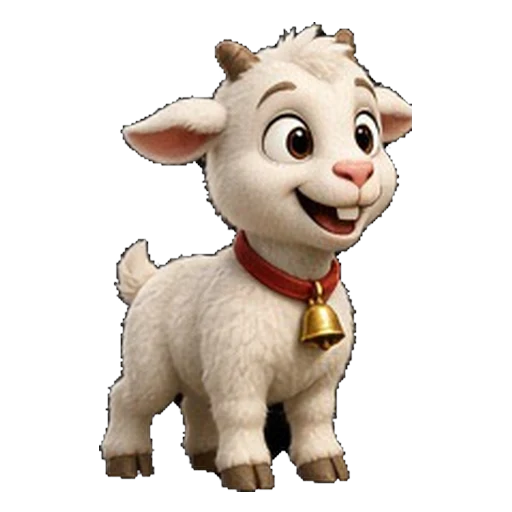
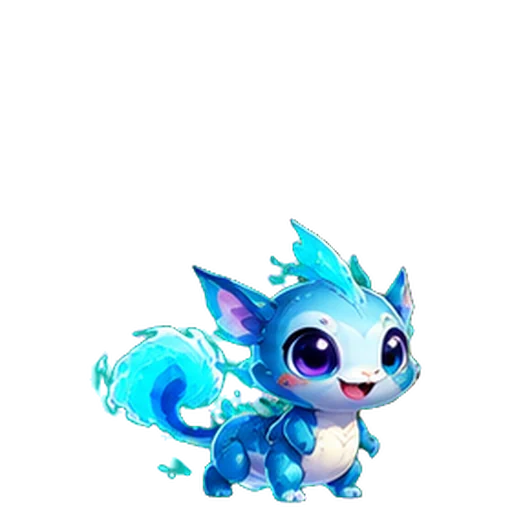
Kids collect and evolve buddies, race and build. Progress only comes from right answers.
They move up
Kids start just below their grade and keep climbing. Missed questions come back for review.
You see progress
The Grown-ups area shows what each child is working on, on every device.
What kids learn
Every level covers math, science, reading and writing, and social studies.
Toddler
Colors, shapes, counting and first letters, with big taps and a friendly voice. Toddlers level up into Kindergarten.
Kindergarten to 2nd grade
- Counting, adding and subtracting, place value
- Phonics, sight words and short stories
- Plants, animals, weather
- Community helpers and maps
3rd to 5th grade
- Multiplication, division, fractions
- Reading for meaning and writing summaries
- Forces, ecosystems, the solar system
- States, early American history
6th to 8th grade
- Ratios, equations, geometry
- Argument writing and close reading
- Cells, chemistry basics, earth science
- Civics and world history
Teens
A grown-up-looking after-school city where teens earn in-game money by learning: jobs, bills and budgets, lab games and SAT practice. Grown-ups can see an estimated SAT score.

Plans
Start free. Upgrade when your family is ready.
Free
- Core learning games
- Every subject, every grade
- Grown-up PIN and player PINs
- Progress saved across devices
Family Plus COMING SOON
- All worlds and arcade games
- Detailed progress reports
- Natural read-aloud voice
- Priced by number of kids, up to 6
- 1 month free when you create a family account, no card needed
Tips for parents
Small habits that help at home.
Helping your 3rd grader with multiplication
Start with groups, not memorizing. Ask "how many wheels on 4 bikes?" and let them draw it. Once groups make sense, practice one fact family at a time (all the 3s, then the 4s) for five minutes a day. Short and daily beats long and weekly.
Mix in real life: doubling a recipe, counting money, splitting snacks evenly. When a fact is slow, go back to the picture instead of just giving the answer.
A 10-minute reading habit that sticks
Pick the same time every day, like right after dinner. Let your child choose the book, even if it is "too easy." Read a page, then they read a page.
Afterward, ask one question: "What do you think happens next?" Predicting builds understanding more than quizzing details. Keep it to ten minutes so it stays fun.
Screen time that teaches
Not all screen time is the same. Look for games where progress comes from right answers, not from buying things or watching ads. Set a time window, check in on what they learned, and celebrate the effort, not just the score.